
Condition-specific support

Acquired Brain Injury Support at Home

Acquired brain injuries can affect people in many different ways, which means every person’s needs, challenges and goals are different. At Ocala Healthcare, we take time to understand the individual, their routines and what matters most to them, so we can provide professional support that helps them live a life well-lived.

01

Care tailored to your needs

Everyone is different, which is why we provide personalised care packages tailored to your needs, requirements, likes and dislikes.

02

Experienced team

Our team are highly trained professionals, delivering compassionate, skilled and consistent support.

03

24/7 availability

Our team is available day and night to make sure people receive the support they need, when they need it.

04

CQC registered support

We are held to the highest standards of quality, safety and accountability in the care we provide.

Watch our video

What good acquired brain injury support looks like

In this short video, Adam explains Ocala’s experience with acquired brain injury support, what good support can look like, and how our approach is shaped around the individual, their family and their goals.

What ABI support involves

Flexible support built around daily life

Our acquired brain injury support can be shaped around the level of care needed, whether that is short-term support, help accessing the community or round-the-clock care.

01

Respite care

We provide professional support at home or in a residential area of your choice, from short periods of four hours through to longer periods, such as support while going away on holiday for a week.

02

Community care

We can support people in the community, helping to increase social engagement, confidence and involvement in activities that matter to them.

03

24 hour care

For anyone looking for ongoing support, we offer round-the-clock care to make sure professional help is available throughout the day and night.

Common challenges

Common challenges of acquired brain injury

Everyone is different, therefore everyone’s challenges are different. ABI can affect day-to-day life in a range of ways, and good support should respond to the person as an individual.

01

Cognitive difficulties

This can include reduced attention and concentration, difficulty learning new information, or struggling with daily tasks such as being organised and planning ahead.

02

Emotional and behavioural changes

Some people may experience changes in personality, mood, confidence or behaviour, including depression, anxiety or difficulty managing emotions.

03

Physical impairments

This can include seizures, headaches, sensory difficulties, mobility and movement problems, speech difficulties or challenges with communication.

04

Communication and social impact

ABI can make it harder to manage communication, understand others or feel confident in social situations. It can also affect self-esteem, mood and independence.

How the process to receiving acquired brain injury support works

1

Speak to our team

We will discuss your needs together and provide guidance on how to better support your health and wellbeing.

2

Assessment

We’ll work with you or your loved one to understand the support needed to maintain independence at home.

3

Care plan approval

We will make sure the care plan is clearly explained, read and signed by the individual and, where appropriate, their parent or guardian.

4

Care team chosen and care begins

Our professionally trained team will provide tailored support, helping you live an independent, life well-lived.

Who this page is for

Support shaped around different needs

This service is for individuals, families and professionals looking for acquired brain injury support that is practical, personal and planned around the person receiving care.

01

Individuals seeking tailored support

Looking for personalised care? This service provides flexible support planned around your needs, preferences and goals.

02

Families exploring care

Starting to look at care options for a loved one? This service helps you understand choices, make confident decisions and find support that fits your family’s needs.

03

Professionals making referrals

For case managers, social workers and healthcare professionals, we provide clear communication, tailored care planning and reliable support for adults with complex care needs.
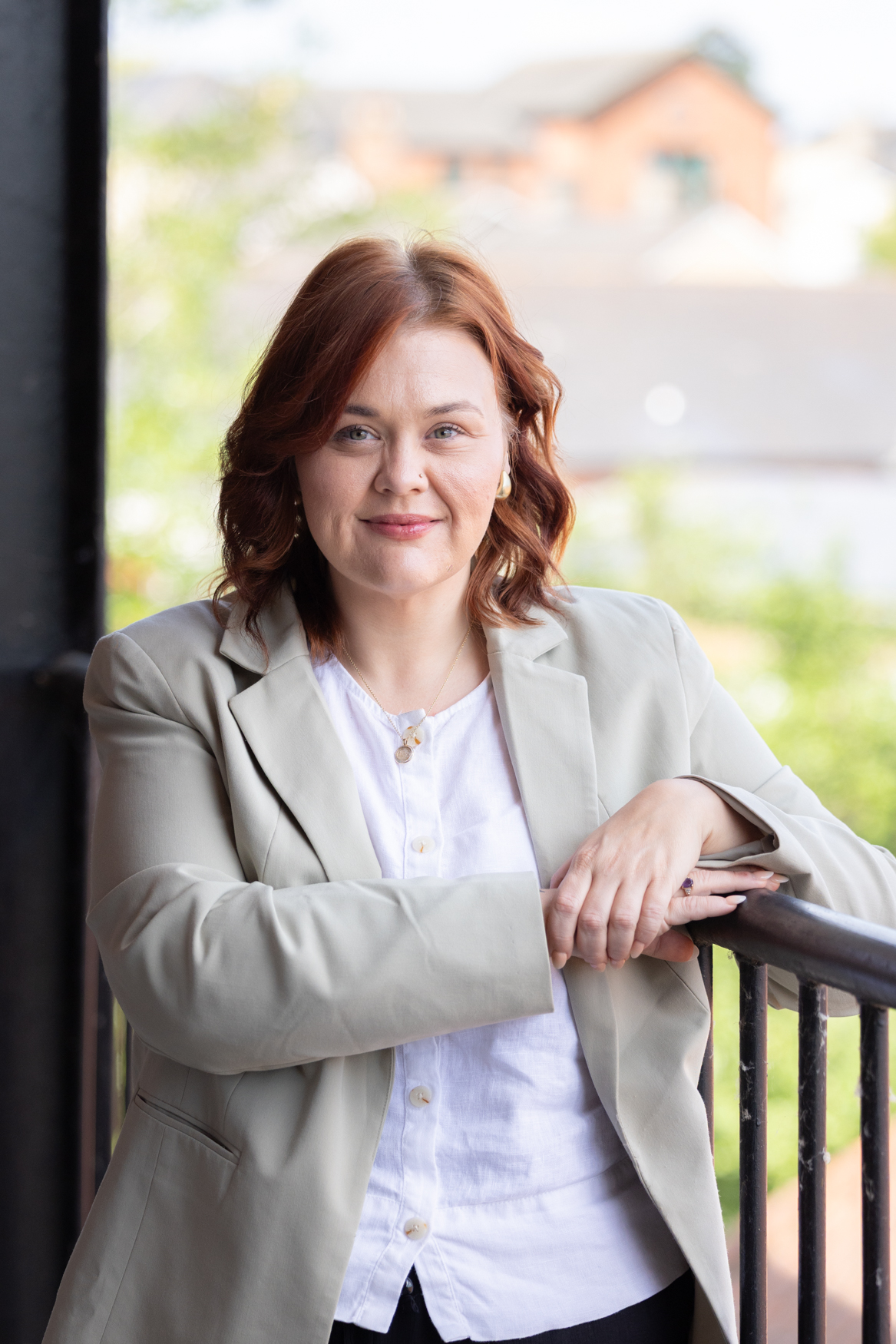
Ocala Healthcare support team
Supporting clients and families

Working alongside the people who know you best

Families often know best what works and what doesn’t. We see our role as working alongside them, not replacing them.

We keep communication open and clear, so everyone feels on the same page. Whether it’s regular updates or simply being available to talk things through, we make sure families feel supported too.

“Ocala have really gone over and above to ensure that my cousin receives good, person centred care in her own home. She has been enabled to live her life to the full, which has empowered her to try new things and find her own interests which are always supported and encouraged.” AM, Cousin of Client

Frequently asked questions

Answers to common questions about acquired brain injury support, care planning and how support begins with Ocala Healthcare.

What is acquired brain injury?

Acquired brain injury, often shortened to ABI, happens after birth due to trauma, illness or accident. ABI can affect everyone in different ways, including memory, behaviour, communication, movement and daily living.

How do you care for someone with an acquired brain injury?

We provide person-centred ABI care tailored to each individual’s needs. Our experienced team supports daily routines, independence, emotional wellbeing and community engagement through consistent and compassionate care at home.

How do I begin ABI care with Ocala Healthcare?

You can contact our friendly team on 01473 941211, and we will arrange to meet you in person and carry out an assessment to understand you, your needs and your personal goals. We will then match you with the most suitable member of our team who shares similar interests and values. Once you are happy with your tailored care package, your care can begin.

Can ABI support be provided at home?

Yes. Our acquired brain injury support can be provided at home and shaped around the individual’s daily routines, independence, personal care needs, medication support, wellbeing and wider goals.

Can you support someone in the community?

Yes. We can support people in the community to help increase social engagement, confidence and involvement. This could include attending appointments, accessing activities, building routines or taking part in hobbies and interests.

Do you offer respite care for ABI?

Yes. We can provide professional respite support for short periods, such as four hours, or longer periods, such as support while going away on holiday for a week. Respite care can be arranged around the needs of the individual and their family.

Do you offer 24 hour care?

Yes. We offer round-the-clock care for people who need 24 hour support, helping to make sure professional care is available throughout the day and night.

How are families involved in the care package?

Families often know best what works and what doesn’t. We work alongside families, keeping communication open and clear so everyone feels supported and on the same page.

Speak to our team

Talk to us about acquired brain injury support at home

If you’re looking for acquired brain injury support options, you don’t have to navigate it alone. Our team is here to understand your needs, answer your questions and help you explore the right support for you or your loved one.

Acquired Brain Injury Support at Home

.ocala-condition-page{ –ocala-blue: rgb(2, 116, 165); –ocala-pink: #E84C9B; –ocala-ink: #22465f; –ocala-text: #5f7282; –ocala-bg: #f7fbfe; –ocala-card: #ffffff; –ocala-line: #dbe7ee; –ocala-line-pink: #efc7dc; –ocala-shadow: 0 12px 30px rgba(18, 54, 79, 0.05); –ocala-shadow-hover: 0 18px 36px rgba(18, 54, 79, 0.08); background: #ffffff; font-family: Outfit, sans-serif; color: var(–ocala-text); overflow-x: hidden; } .ocala-condition-page *{ box-sizing: border-box; } .ocala-condition-page a{ text-decoration: none; } .ocala-condition-shell{ max-width: 1220px; margin: 0 auto; padding: 0 20px; } .ocala-condition-kicker{ display: inline-block; padding: 10px 16px; border-radius: 999px; background: var(–ocala-pink); color: #fff; font-size: 13px; line-height: 1; font-weight: 700; text-transform: uppercase; letter-spacing: 0.08em; } .ocala-condition-page h1.ocala-condition-title{ margin: 18px 0 18px; font-family: Outfit, sans-serif; font-size: 46px; line-height: 1.1; font-weight: 800; letter-spacing: -0.02em; color: var(–ocala-blue); } .ocala-condition-lead, .ocala-condition-page p{ font-size: 18px; line-height: 1.75; color: var(–ocala-text); margin: 0; } .ocala-condition-page h2.ocala-condition-section-title{ margin: 0 0 14px; font-family: Outfit, sans-serif; font-size: 42px; line-height: 1.12; font-weight: 800; letter-spacing: -0.02em; color: var(–ocala-blue); } .ocala-condition-section-intro{ max-width: 780px; margin: 0 0 30px; font-size: 18px; line-height: 1.75; color: var(–ocala-text); } .ocala-condition-section-centred{ max-width: 820px; margin: 0 auto 38px; text-align: center; } .ocala-condition-section-centred .ocala-condition-section-intro{ margin-left: auto; margin-right: auto; } .ocala-condition-btns{ display: flex; flex-wrap: wrap; gap: 24px; margin-top: 32px; } .ocala-condition-btn{ display: inline-flex; align-items: center; justify-content: center; height: 64px; padding: 0 34px; border-radius: 0 0 40px 0; font-family: Outfit, sans-serif; font-size: 16px; line-height: 1; font-weight: 500; text-align: center; white-space: nowrap; transition: 0.25s ease; cursor: pointer; border: 1px solid transparent; } .ocala-condition-btn-primary, .ocala-condition-btn-primary:visited{ background: var(–ocala-blue); color: #ffffff !important; box-shadow: 0 10px 24px rgba(2, 116, 165, 0.16); } .ocala-condition-btn-primary:hover, .ocala-condition-btn-primary:focus{ background: var(–ocala-pink); color: #ffffff !important; border-color: var(–ocala-pink); transform: translateY(-2px); } .ocala-condition-btn-secondary, .ocala-condition-btn-secondary:visited{ background: var(–ocala-pink); color: #ffffff !important; box-shadow: 0 10px 24px rgba(232, 76, 155, 0.16); } .ocala-condition-btn-secondary:hover, .ocala-condition-btn-secondary:focus{ background: #ffffff; color: var(–ocala-pink) !important; border-color: var(–ocala-pink); transform: translateY(-2px); } .ocala-condition-hero{ padding: 90px 0 78px; background: linear-gradient(180deg, #f7fbfe 0%, #ffffff 100%); } .ocala-condition-hero-grid{ display: grid; grid-template-columns: minmax(0, 1.02fr) minmax(420px, 0.98fr); gap: 42px; align-items: center; } .ocala-condition-hero-copy{ max-width: 620px; } .ocala-condition-hero-copy .ocala-condition-lead{ max-width: 590px; } .ocala-condition-hero-card{ position: relative; background: linear-gradient(180deg, #ffffff 0%, #fff8fc 100%); border: 1px solid var(–ocala-line); border-radius: 28px; overflow: hidden; box-shadow: var(–ocala-shadow); min-height: 520px; } .ocala-condition-hero-card::before{ content: “”; position: absolute; inset: 0; background: linear-gradient(180deg, rgba(2,116,165,0.08) 0%, rgba(232,76,155,0.05) 100%), url(‘https://ocalahealthcare.co.uk/wp-content/uploads/2026/05/Simply-C-Photography-Commercial-Photographer-Ipswich-Suffolk-Ocala-Healthcare-Recruitment-13.jpg’) center center / cover no-repeat; } .ocala-condition-trust{ padding: 0 0 80px; background: #ffffff; } .ocala-condition-trust-grid{ display: grid; grid-template-columns: repeat(4, minmax(0, 1fr)); gap: 18px; } .ocala-condition-trust-item{ background: #fff; border: 1px solid var(–ocala-line); border-radius: 22px; padding: 24px 22px; box-shadow: var(–ocala-shadow); transition: 0.25s ease; } .ocala-condition-trust-item:hover{ transform: translateY(-4px); box-shadow: var(–ocala-shadow-hover); border-color: var(–ocala-line-pink); } .ocala-condition-trust-number{ display: inline-flex; align-items: center; justify-content: center; width: 46px; height: 46px; border-radius: 50%; background: rgba(232,76,155,0.10); color: var(–ocala-pink); font-size: 18px; font-weight: 800; margin-bottom: 16px; } .ocala-condition-trust-item h3{ margin: 0 0 10px; font-size: 24px; line-height: 1.2; font-weight: 800; color: var(–ocala-blue); } .ocala-condition-trust-item p{ font-size: 18px; line-height: 1.7; } .ocala-condition-video{ padding: 90px 0; background: var(–ocala-bg); } .ocala-condition-video-grid{ display: grid; grid-template-columns: 390px minmax(0, 1fr); gap: 44px; align-items: center; } .ocala-condition-video-frame{ position: relative; border-radius: 28px; overflow: hidden; background: #ffffff; border: 1px solid var(–ocala-line); box-shadow: var(–ocala-shadow); } .ocala-condition-video-frame video{ display: block; width: 100%; height: auto; min-height: 360px; object-fit: cover; background: #000; } .ocala-condition-support{ padding: 90px 0; background: #ffffff; } .ocala-condition-support-grid{ display: grid; grid-template-columns: repeat(3, minmax(0, 1fr)); gap: 22px; } .ocala-condition-card{ position: relative; background: linear-gradient(180deg, #ffffff 0%, #fff8fc 100%); border: 1px solid var(–ocala-line); border-radius: 26px; padding: 30px; box-shadow: var(–ocala-shadow); overflow: hidden; transition: 0.28s ease; } .ocala-condition-card:hover{ transform: translateY(-4px); box-shadow: var(–ocala-shadow-hover); border-color: var(–ocala-line-pink); } .ocala-condition-card-icon{ display: inline-flex; align-items: center; justify-content: center; width: 58px; height: 58px; border-radius: 50%; background: rgba(232,76,155,0.10); color: var(–ocala-pink); font-size: 22px; font-weight: 800; margin-bottom: 18px; } .ocala-condition-card h3{ margin: 0 0 12px; font-size: 26px; line-height: 1.18; font-weight: 800; color: var(–ocala-blue); } .ocala-condition-challenges{ padding: 90px 0; background: var(–ocala-bg); } .ocala-condition-challenge-grid{ display: grid; grid-template-columns: repeat(2, minmax(0, 1fr)); gap: 22px; } .ocala-condition-process{ padding: 90px 0; background: #ffffff; } .ocala-condition-process-box{ background: var(–ocala-blue); border-radius: 30px; padding: 48px 34px 44px; box-shadow: 0 18px 42px rgba(2, 116, 165, 0.16); overflow: hidden; } .ocala-condition-process-box .ocala-condition-section-title{ color: #ffffff; text-align: center; max-width: 820px; margin: 0 auto 42px; } .ocala-condition-process-steps{ position: relative; display: grid; grid-template-columns: repeat(4, minmax(0, 1fr)); gap: 24px; } .ocala-condition-process-steps::before{ content: “”; position: absolute; top: 34px; left: 10%; right: 10%; height: 1px; background: rgba(255,255,255,0.55); } .ocala-condition-process-step{ position: relative; z-index: 2; text-align: center; color: #ffffff; } .ocala-condition-process-icon{ position: relative; width: 68px; height: 68px; margin: 0 auto 22px; border-radius: 50%; background: #fff8ff; display: flex; align-items: center; justify-content: center; color: var(–ocala-pink); font-size: 28px; font-weight: 800; box-shadow: 0 10px 24px rgba(18, 54, 79, 0.12); } .ocala-condition-process-count{ position: absolute; top: 0; left: -3px; width: 23px; height: 23px; border-radius: 50%; background: var(–ocala-pink); color: #ffffff; font-size: 13px; font-weight: 800; display: flex; align-items: center; justify-content: center; } .ocala-condition-process-step h3{ margin: 0 0 10px; color: #ffffff; font-size: 20px; line-height: 1.2; font-weight: 800; } .ocala-condition-process-step p{ color: rgba(255,255,255,0.92); font-size: 16px; line-height: 1.55; } .ocala-condition-audience{ padding: 90px 0; background: var(–ocala-bg); } .ocala-condition-audience-grid{ display: grid; grid-template-columns: repeat(3, minmax(0, 1fr)); gap: 22px; } .ocala-condition-family{ padding: 90px 0; background: #ffffff; } .ocala-condition-family-grid{ display: grid; grid-template-columns: minmax(0, 0.92fr) minmax(0, 1.08fr); gap: 28px; align-items: start; } .ocala-condition-family-copy{ position: sticky; top: 110px; align-self: start; } .ocala-condition-case-image-wrap{ background: linear-gradient(180deg, #ffffff 0%, #fff8fc 100%); border: 1px solid var(–ocala-line); border-radius: 26px; padding: 14px; box-shadow: var(–ocala-shadow); overflow: hidden; } .ocala-condition-case-image-wrap img{ display: block; width: 100%; height: auto; border-radius: 18px; } .ocala-condition-quote{ margin: 28px 0 0; padding: 28px 30px; border-radius: 24px; background: rgba(232,76,155,0.08); border: 1px solid rgba(232,76,155,0.18); color: var(–ocala-ink); font-size: 20px; line-height: 1.7; font-weight: 600; box-shadow: var(–ocala-shadow); grid-column: 1 / -1; } .ocala-condition-quote cite{ display: block; margin-top: 12px; font-size: 16px; font-style: normal; color: var(–ocala-text); font-weight: 700; } .ocala-condition-faq{ padding: 90px 0; background: var(–ocala-bg); } .ocala-condition-faq-list{ display: grid; gap: 16px; } .ocala-condition-faq-item{ background: #fff; border: 1px solid var(–ocala-line); border-radius: 22px; box-shadow: var(–ocala-shadow); overflow: hidden; } .ocala-condition-faq-item summary{ list-style: none; cursor: pointer; position: relative; padding: 24px 58px 24px 26px; font-size: 22px; line-height: 1.25; font-weight: 800; color: var(–ocala-blue); } .ocala-condition-faq-item summary::-webkit-details-marker{ display: none; } .ocala-condition-faq-item summary::after{ content: “+”; position: absolute; top: 50%; right: 24px; transform: translateY(-50%); width: 30px; height: 30px; border-radius: 50%; background: rgba(232,76,155,0.10); color: var(–ocala-pink); display: flex; align-items: center; justify-content: center; font-size: 22px; line-height: 1; font-weight: 800; } .ocala-condition-faq-item[open] summary::after{ content: “−”; } .ocala-condition-faq-answer{ padding: 0 26px 24px; } .ocala-condition-cta{ padding: 90px 0; background: linear-gradient(180deg, #ffffff 0%, #f7fbfe 100%); } .ocala-condition-cta-box{ position: relative; background: linear-gradient(180deg, #ffffff 0%, #fff8fc 100%); border: 1px solid var(–ocala-line); border-radius: 30px; padding: 46px 42px; box-shadow: var(–ocala-shadow); overflow: hidden; text-align: center; } .ocala-condition-cta-box .ocala-condition-section-title{ margin-bottom: 16px; } .ocala-condition-cta-box p{ max-width: 760px; margin: 0 auto; } .ocala-condition-cta-box .ocala-condition-btns{ justify-content: center; } @media (max-width: 1100px){ .ocala-condition-hero-grid, .ocala-condition-video-grid, .ocala-condition-family-grid{ grid-template-columns: 1fr; } .ocala-condition-family-copy{ position: relative; top: auto; } .ocala-condition-trust-grid, .ocala-condition-process-steps, .ocala-condition-challenge-grid{ grid-template-columns: repeat(2, minmax(0, 1fr)); } .ocala-condition-process-steps::before{ display: none; } .ocala-condition-support-grid, .ocala-condition-audience-grid{ grid-template-columns: 1fr; } .ocala-condition-hero-card{ min-height: 440px; } } @media (max-width: 767px){ .ocala-condition-shell{ padding: 0 16px; } .ocala-condition-hero, .ocala-condition-video, .ocala-condition-support, .ocala-condition-challenges, .ocala-condition-process, .ocala-condition-audience, .ocala-condition-family, .ocala-condition-faq, .ocala-condition-cta{ padding: 58px 0; } .ocala-condition-trust{ padding-bottom: 58px; } .ocala-condition-page h1.ocala-condition-title{ font-size: 30px !important; line-height: 1.14 !important; letter-spacing: -0.02em !important; } .ocala-condition-page h2.ocala-condition-section-title{ font-size: 28px !important; line-height: 1.14 !important; letter-spacing: -0.02em !important; } .ocala-condition-process-box .ocala-condition-section-title{ font-size: 28px !important; line-height: 1.16 !important; max-width: 320px; margin-bottom: 34px; } .ocala-condition-lead, .ocala-condition-page p{ font-size: 17px; line-height: 1.65; } .ocala-condition-btns{ gap: 16px; } .ocala-condition-btn{ width: 100%; height: 58px; padding: 0 24px; white-space: normal; } .ocala-condition-trust-grid, .ocala-condition-process-steps, .ocala-condition-challenge-grid{ grid-template-columns: 1fr; } .ocala-condition-hero-card{ min-height: 340px; } .ocala-condition-video-frame video{ min-height: 280px; } .ocala-condition-faq-item summary{ padding: 20px 54px 20px 22px; font-size: 19px; } .ocala-condition-faq-answer{ padding: 0 22px 22px; } .ocala-condition-quote{ padding: 24px 22px; font-size: 18px; line-height: 1.65; } .ocala-condition-cta-box{ padding: 36px 24px; } } @media (max-width: 420px){ .ocala-condition-page h1.ocala-condition-title{ font-size: 28px !important; } .ocala-condition-page h2.ocala-condition-section-title, .ocala-condition-process-box .ocala-condition-section-title{ font-size: 25px !important; } }
Condition-specific support

Acquired Brain Injury Support at Home

Acquired brain injuries can affect people in many different ways, which means every person’s needs, challenges and goals are different. At Ocala Healthcare, we take time to understand the individual, their routines and what matters most to them, so we can provide professional support that helps them live a life well-lived.

Talk through your care needs Watch our ABI video
01

Care tailored to your needs

Everyone is different, which is why we provide personalised care packages tailored to your needs, requirements, likes and dislikes.

02

Experienced team

Our team are highly trained professionals, delivering compassionate, skilled and consistent support.

03

24/7 availability

Our team is available day and night to make sure people receive the support they need, when they need it.

04

CQC registered support

We are held to the highest standards of quality, safety and accountability in the care we provide.

Watch our video

What good acquired brain injury support looks like

In this short video, Adam explains Ocala’s experience with acquired brain injury support, what good support can look like, and how our approach is shaped around the individual, their family and their goals.

Speak to our team
What ABI support involves

Flexible support built around daily life

Our acquired brain injury support can be shaped around the level of care needed, whether that is short-term support, help accessing the community or round-the-clock care.

01

Respite care

We provide professional support at home or in a residential area of your choice, from short periods of four hours through to longer periods, such as support while going away on holiday for a week.

02

Community care

We can support people in the community, helping to increase social engagement, confidence and involvement in activities that matter to them.

03

24 hour care

For anyone looking for ongoing support, we offer round-the-clock care to make sure professional help is available throughout the day and night.

Common challenges

Common challenges of acquired brain injury

Everyone is different, therefore everyone’s challenges are different. ABI can affect day-to-day life in a range of ways, and good support should respond to the person as an individual.

01

Cognitive difficulties

This can include reduced attention and concentration, difficulty learning new information, or struggling with daily tasks such as being organised and planning ahead.

02

Emotional and behavioural changes

Some people may experience changes in personality, mood, confidence or behaviour, including depression, anxiety or difficulty managing emotions.

03

Physical impairments

This can include seizures, headaches, sensory difficulties, mobility and movement problems, speech difficulties or challenges with communication.

04

Communication and social impact

ABI can make it harder to manage communication, understand others or feel confident in social situations. It can also affect self-esteem, mood and independence.

How the process to receiving acquired brain injury support works

1 ✦

Speak to our team

We will discuss your needs together and provide guidance on how to better support your health and wellbeing.

2 ♡

Assessment

We’ll work with you or your loved one to understand the support needed to maintain independence at home.

3 ✓

Care plan approval

We will make sure the care plan is clearly explained, read and signed by the individual and, where appropriate, their parent or guardian.

4 ↻

Care team chosen and care begins

Our professionally trained team will provide tailored support, helping you live an independent, life well-lived.

Who this page is for

Support shaped around different needs

This service is for individuals, families and professionals looking for acquired brain injury support that is practical, personal and planned around the person receiving care.

01

Individuals seeking tailored support

Looking for personalised care? This service provides flexible support planned around your needs, preferences and goals.

02

Families exploring care

Starting to look at care options for a loved one? This service helps you understand choices, make confident decisions and find support that fits your family’s needs.

03

Professionals making referrals

For case managers, social workers and healthcare professionals, we provide clear communication, tailored care planning and reliable support for adults with complex care needs.

Ocala Healthcare support team Supporting clients and families

Working alongside the people who know you best

Families often know best what works and what doesn’t. We see our role as working alongside them, not replacing them.

We keep communication open and clear, so everyone feels on the same page. Whether it’s regular updates or simply being available to talk things through, we make sure families feel supported too.

“Ocala have really gone over and above to ensure that my cousin receives good, person centred care in her own home. She has been enabled to live her life to the full, which has empowered her to try new things and find her own interests which are always supported and encouraged.” AM, Cousin of Client

Frequently asked questions

Answers to common questions about acquired brain injury support, care planning and how support begins with Ocala Healthcare.

What is acquired brain injury?

Acquired brain injury, often shortened to ABI, happens after birth due to trauma, illness or accident. ABI can affect everyone in different ways, including memory, behaviour, communication, movement and daily living.

How do you care for someone with an acquired brain injury?

We provide person-centred ABI care tailored to each individual’s needs. Our experienced team supports daily routines, independence, emotional wellbeing and community engagement through consistent and compassionate care at home.

How do I begin ABI care with Ocala Healthcare?

You can contact our friendly team on 01473 941211, and we will arrange to meet you in person and carry out an assessment to understand you, your needs and your personal goals. We will then match you with the most suitable member of our team who shares similar interests and values. Once you are happy with your tailored care package, your care can begin.

Can ABI support be provided at home?

Yes. Our acquired brain injury support can be provided at home and shaped around the individual’s daily routines, independence, personal care needs, medication support, wellbeing and wider goals.

Can you support someone in the community?

Yes. We can support people in the community to help increase social engagement, confidence and involvement. This could include attending appointments, accessing activities, building routines or taking part in hobbies and interests.

Do you offer respite care for ABI?

Yes. We can provide professional respite support for short periods, such as four hours, or longer periods, such as support while going away on holiday for a week. Respite care can be arranged around the needs of the individual and their family.

Do you offer 24 hour care?

Yes. We offer round-the-clock care for people who need 24 hour support, helping to make sure professional care is available throughout the day and night.

How are families involved in the care package?

Families often know best what works and what doesn’t. We work alongside families, keeping communication open and clear so everyone feels supported and on the same page.

Speak to our team

Talk to us about acquired brain injury support at home

If you’re looking for acquired brain injury support options, you don’t have to navigate it alone. Our team is here to understand your needs, answer your questions and help you explore the right support for you or your loved one.

Speak to our team Call 01473 941211